
How to Prep Your Small Business for Made in Hawaii — and Any Big Local Show
A booth only pays off if you walk in prepared. Here’s how to get your booth, your brand, and your follow-up system ready before doors open.
That’s the single biggest concentrated sales window most Hawaii small business marketing plans get all year.
The vendors who sell out and keep customers coming back in October treat the show as a marketing event — not a folding table with product on it.
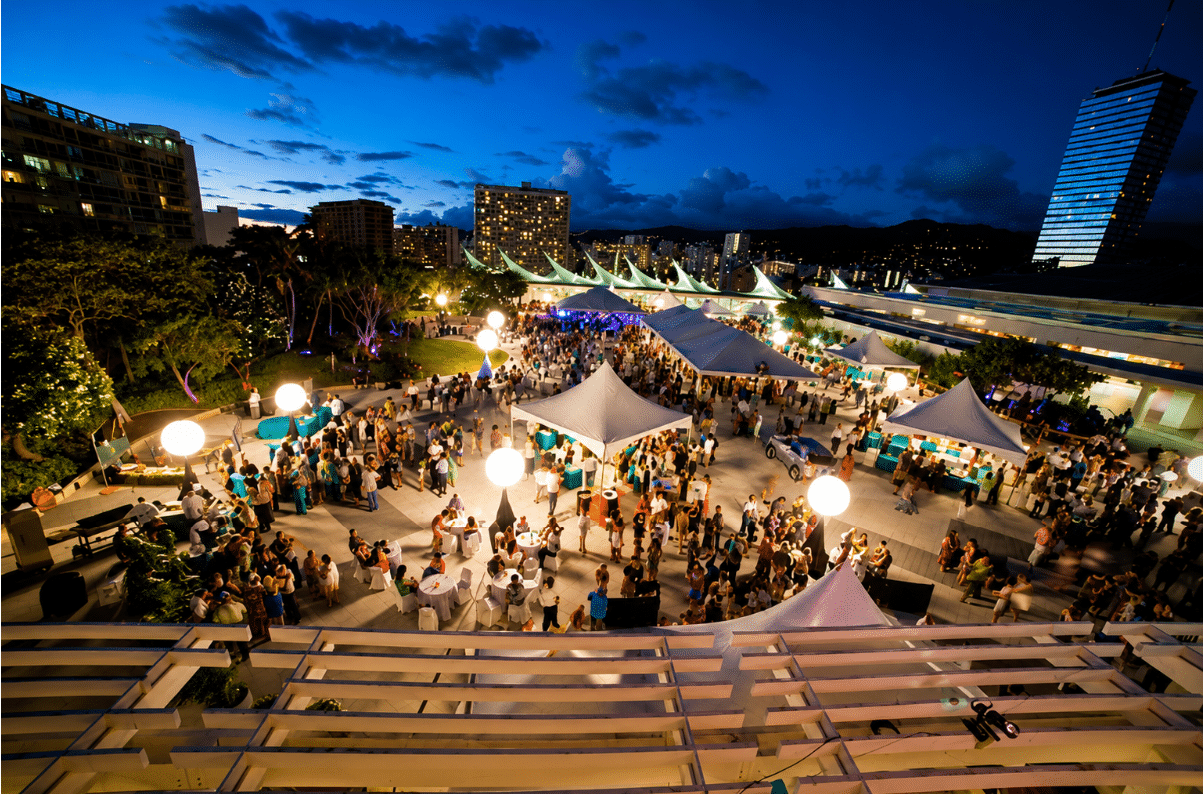
Made in Hawaii Festival 2026 — The Basics
| Dates | Thursday–Sunday, August 20–23, 2026 |
| Location | Hawaii Convention Center, 1801 Kalākaua Ave, Honolulu |
| Produced By | Hawaii Food Industry Association (HFIA) |
| Attendance | Around 70,000 visitors over 4 days |
| Vendors | 600+ local businesses across the islands |
Get Your Booth Ready Before Doors Open
How to prepare for a craft fair comes down to four things: logistics, inventory, branding, and how the booth reads from ten feet away.
Confirm the Logistics First
Confirm your booth number, dimensions, and layout restrictions with the organizer weeks out — not the night before. Lock in parking and load-in times too, so setup day doesn’t start with a scramble.
Overbuild Your Inventory
Overproduce your top two or three sellers. Running out on day one costs more than overstocking ever will. Test your payment setup ahead of time: card reader charged, backup battery packed, offline mode ready.
Match the Booth to the Brand
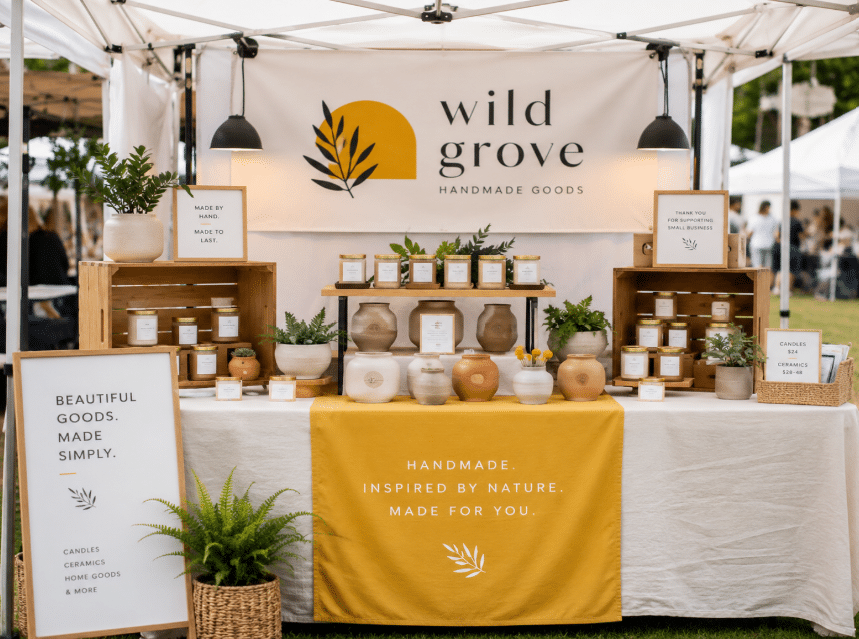
Your booth is the physical version of your website and Instagram: same logo, same colors, same fonts. Skip the handwritten cardboard pricing — a clean, printed price list reads as more professional and moves the line faster.
Design for the Ten-Foot Glance
Most visitors decide whether to stop within a few seconds. Put your best seller at eye level, add height with risers or crates, and make sure one sign says what you sell from ten feet away.
Booth kit: tape, zip ties, extra price tags, scissors, and a pen
Backup power: phone charger and a charged battery pack for card readers
Signage: printed price list and your main banner, checked for tears or fading
Staff schedule: shifts assigned in advance so no one runs the booth alone for six hours
Paperwork: vendor permits, tax forms, or credentials the event requires at check-in
Collect Customer Info Without Killing the Line
The sale is nice. The email address is worth more — it’s what turns a one-time visitor into a repeat customer.
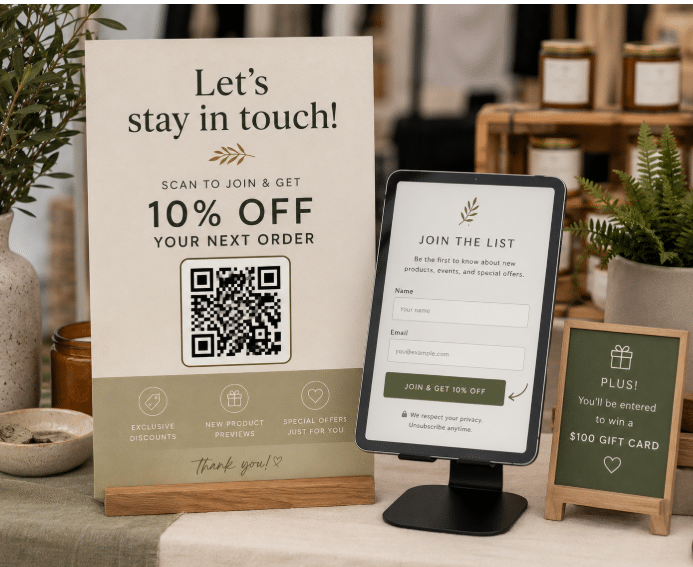
QR Code, Not a Link
Send people straight to a sign-up form — never your homepage. One tap, done.
Two Fields, Max
Name and email. Every extra field costs sign-ups. Keep the friction near zero.
Make It Worth It
A discount code or giveaway entry beats “join our newsletter” every single time.
Tablet Over Jar
A sign-up screen captures real data. A business card jar mostly doesn’t.
Engage Visitors Like It’s Not Your First Show
With 600+ vendors in one hall, attention is the scarce resource. How your team talks to people matters as much as the product on the table.
| Skip This | Try This Instead |
|---|---|
| “Let me know if you have questions” | Ask something specific: “Have you tried this before?” |
| Sitting behind the table | Standing, front and center — approachable and present |
| No plan for what to say | A 20-second story every staff member can tell |
| Selling only | A sample or hands-on moment that creates a memory |
Follow-Up Timeline That Actually Converts
Most vendors pack up the booth and never touch the leads again. That’s the biggest missed opportunity in Hawaii small business marketing, full stop.
Send a Thank-You Email
While the show is still fresh in their mind. Warm, personal, and brief — this is the most important message you’ll send all year.
Segment Your List
A genuine thanks for buyers. An incentive for sign-ups who didn’t purchase. Same list, different message — and it shows you were paying attention.
One Clear Next Step
Shop online, book a call, or follow on Instagram. One ask per email. Never three. Give them somewhere to go and make it obvious.

Turn Festival Traffic Into Repeat Customers
A festival is a spike. What you build after it is the business. Add every contact to an ongoing email sequence, retarget booth visitors with a small ad campaign while your brand is still fresh, and tag the customers who stopped by in your event recap posts.
A few signs it’s working:
Your email list grows measurably after every show, not just during it
Repeat customers mention meeting you at the festival
Website traffic and DMs spike in the two weeks that follow
Your next event sells out faster than the last one did
Quick Answers for First-Time Vendors
Fees change year to year and depend on booth size and vendor category. Check the current exhibitor packet from the Hawaii Food Industry Association before you budget.
Yes. Hawaii requires a General Excise Tax (GET) license for anyone doing business in the state, even for a single day. The application fee is $20, and most local shows will ask for your GET number on the vendor application.
Applications typically close months before the August show. Plan to apply in late winter or early spring for the following year.
Skipping follow-up. A festival is a four-day spike; the follow-up sequence is what turns it into repeat business.